


If you’re looking to do more than check the QA box, Loris is clear choice.
Quality Assurance Features |  |  |
|---|---|---|
AI-First Customer Service QA Platform | YES | NO |
Prebuilt, Proprietary AI Models Proven on 1B Interactions | YES | NO |
Organization-specific Contact Driver Model (Intent Classifier Designed & Maintained by Loris) | YES | NO |
Ask Loris, Built-in AI Data Analyst (Instant Answers to Plain-Language Questions) | YES | NO |
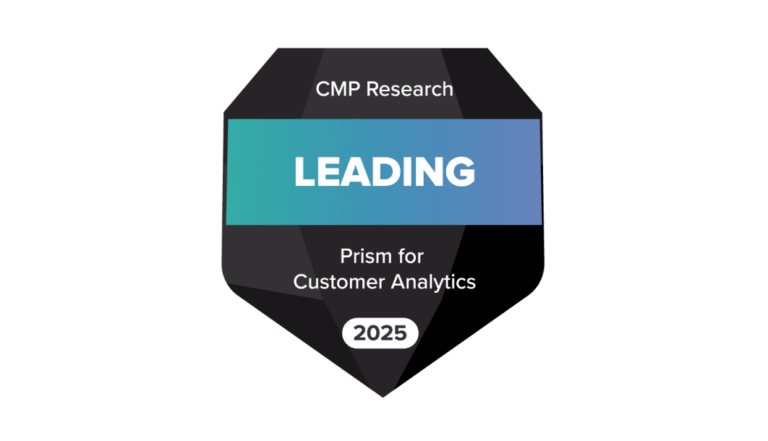
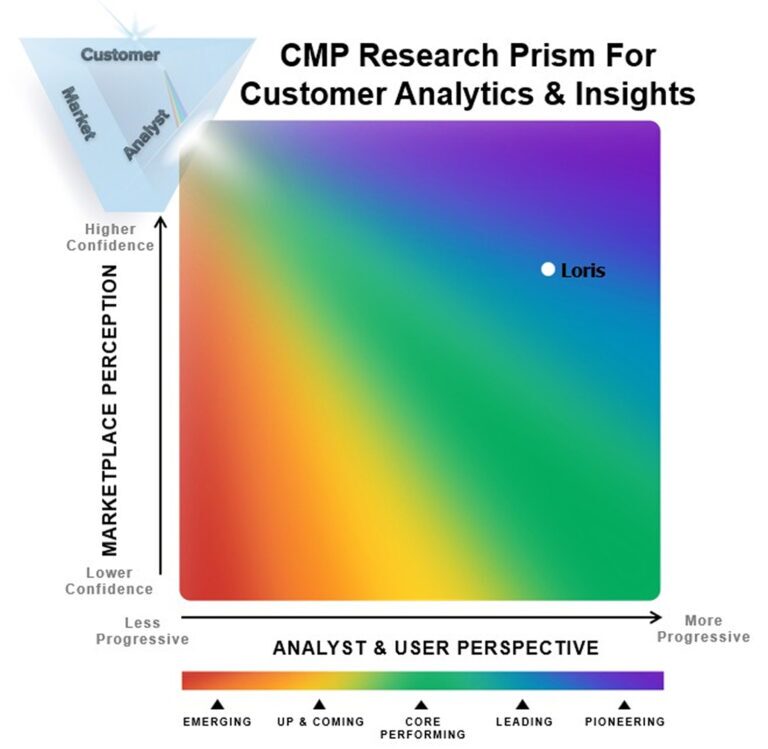
Recognized by Industry Analysts for AI, Automated QA & Customer Analytics | YES | NO |
Intuitive Platform with the Ability to Get Started in Weeks | YES | NO |
 | YES |
| NO |
| YES |
| NO |
| YES |
| NO |
| YES |
| NO |
| YES |
| NO |
| YES |
| NO |
In order to fix a problem, you have to understand what it is first. That’s why AI analytics are the logical first step to aggregating and analyzing issues before you try to solve them through QA, AI agents, WFM, or some other tool. AI Analytics help you:











Loris delivers complete agent and customer insights, giving you the complete view of your customer experience operations. Schedule some time with our team to see it for yourself.
“We have actually shaved a little over three minutes of AHT now that we don’t have the agent tag tickets anymore.
That has reduced our cost per case by 23%.”


MaestroQA is an established software provider in the call center quality assurance software space. For more than a decade, MaestroQA has provided structure to traditional QA programs in the form of its software. While this provided a framework for QA teams, it didn’t fundamentally change the slow and labor-intensive nature of traditional QA. Recently, MaestroQA has integrated LLMs to keep pace with market demand for AI solutions, with features like basic user-defined prompting through a LLM. But the goal of AI for MaestroQA is not automation, as their model is still seat-based QA, conversation sampling, and human assessment.
MaestroQA has a number of both traditional and emerging competitors in the quality assurance and customer analytics categories.
AI-first providers:
Offerings similar to Maestro’s approach or focused on the SMB market:
Like other tools in this space, MaestroQA connects to your customer service platform and collects data on customer interactions, such as calls, chats, or emails. It then uses this data to create evaluations and scorecards for agents, helping businesses identify areas for improvement.
The main issue with MaestroQA historically was the need for extensive customization and lack of complete QA automation. While this makes it effective for organizations who have the time and resources for a large, complex QA operation, it’s not as effective for organizations either using more chatbots/AI Agents or who want to fully automate their quality programs.
MaestroQA’s nascent AI capabilities don’t seem to have addressed the ease-of-use issue, since they provide the user with the ability to use prompts to glean information from conversations, but aren’t providing any prebuilt analysis themselves. For organizations that don’t leverage the AI prompts, MaestroQA uses manual agent tagging to derive customer insights, which can be both subjective and labor intensive.
MaestroQA is best for organizations who have deliberately chosen to preserve their traditional quality program. This could include firms that have smaller numbers of conversations to review or do not yet have AI agents incorporated into their customer service program. This will require a fully QA operation, including dedicated QA managers, QA analysts, and even QA operations to define and refine quality workflows. This may include organizations that want to have staff assigned to AI prompting of their conversations. This is a more human-driven approach, meaning that increases in agents may need an increase in supporting quality staff. Organization using MaestroQA would be more focused on maintaining human reviewers in their quality feedback loop and less focused on deriving agent and customer analytics to see broader trends and systemic issues. It is possible these organizations would need to leverage a separate Voice of the Customer (VOC) analytics tool.
